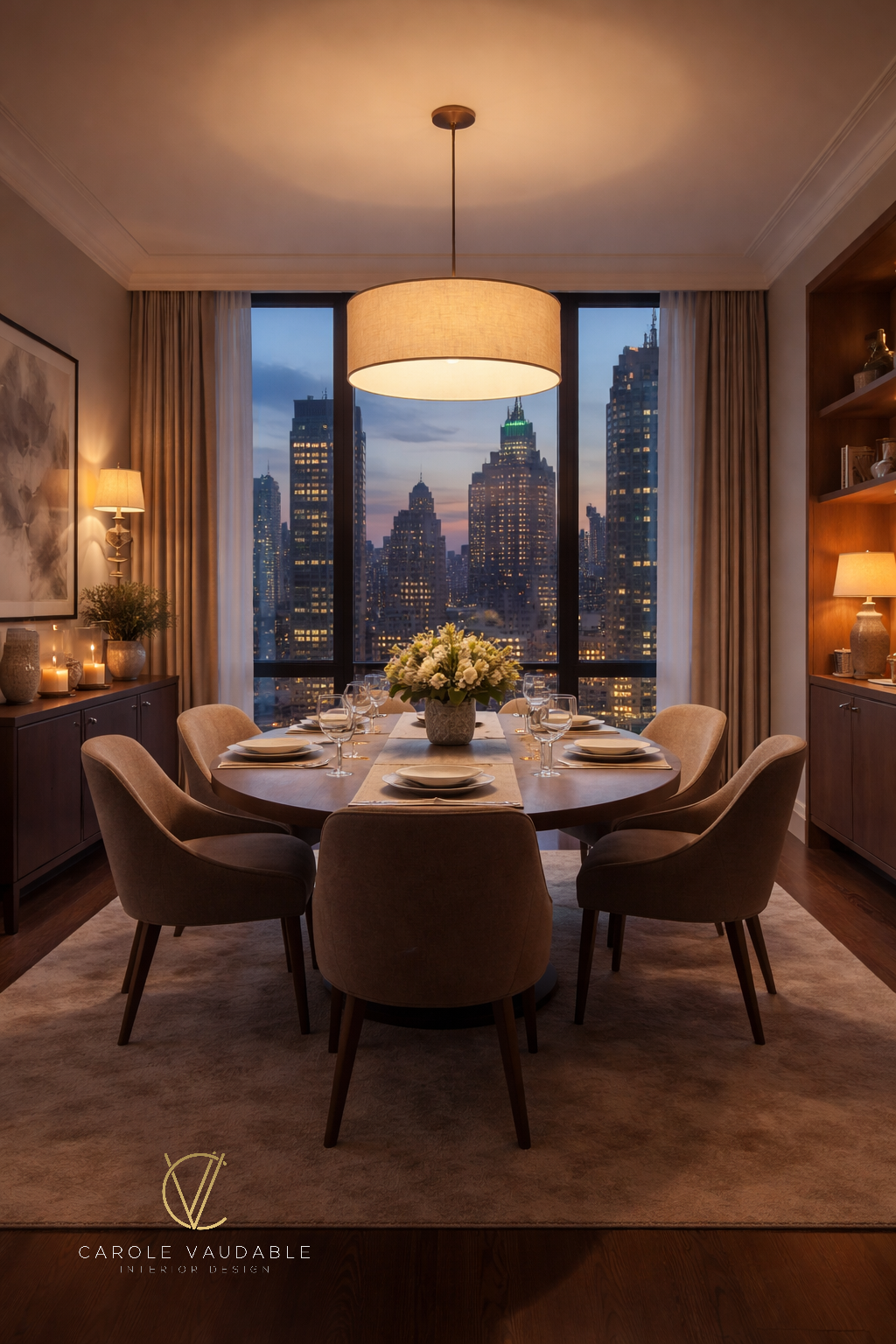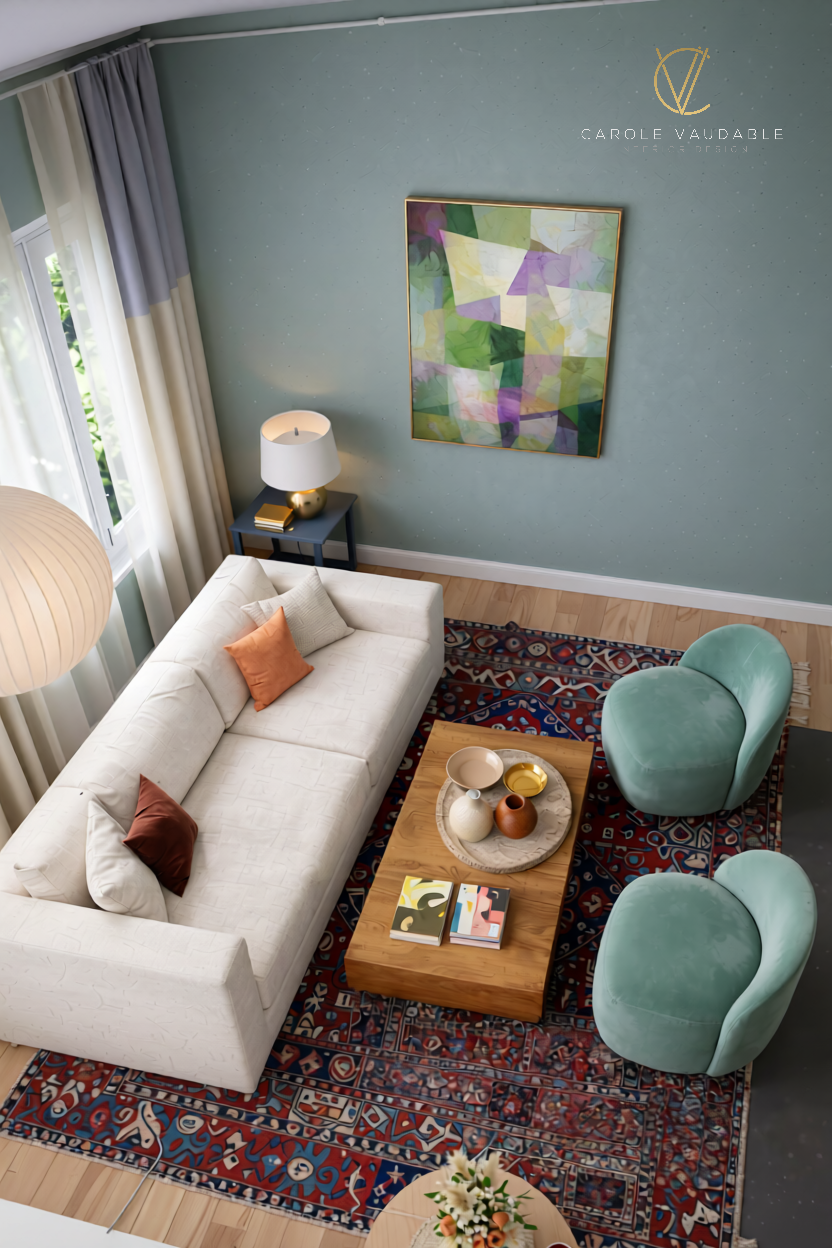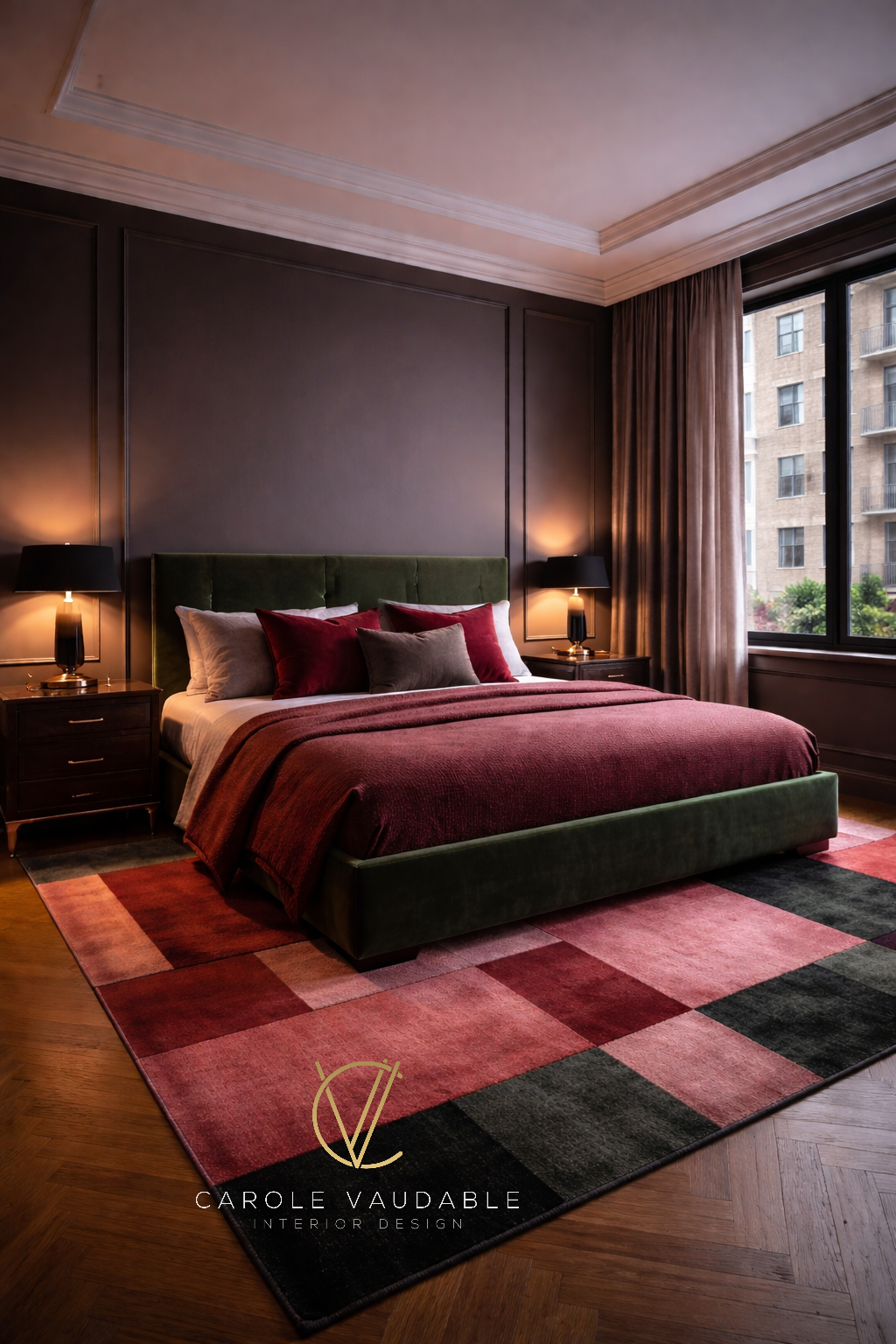
A space feels intimate when it creates a sense of closeness. This comes from depth, not from brightness.
When you combine slightly darker tones with softer ones, the room feels more grounded: your eye slows down and you feel more present.
Read More
A space feels intimate when it creates a sense of closeness. This comes from depth, not from brightness.
When you combine slightly darker tones with softer ones, the room feels more grounded: your eye slows down and you feel more present.
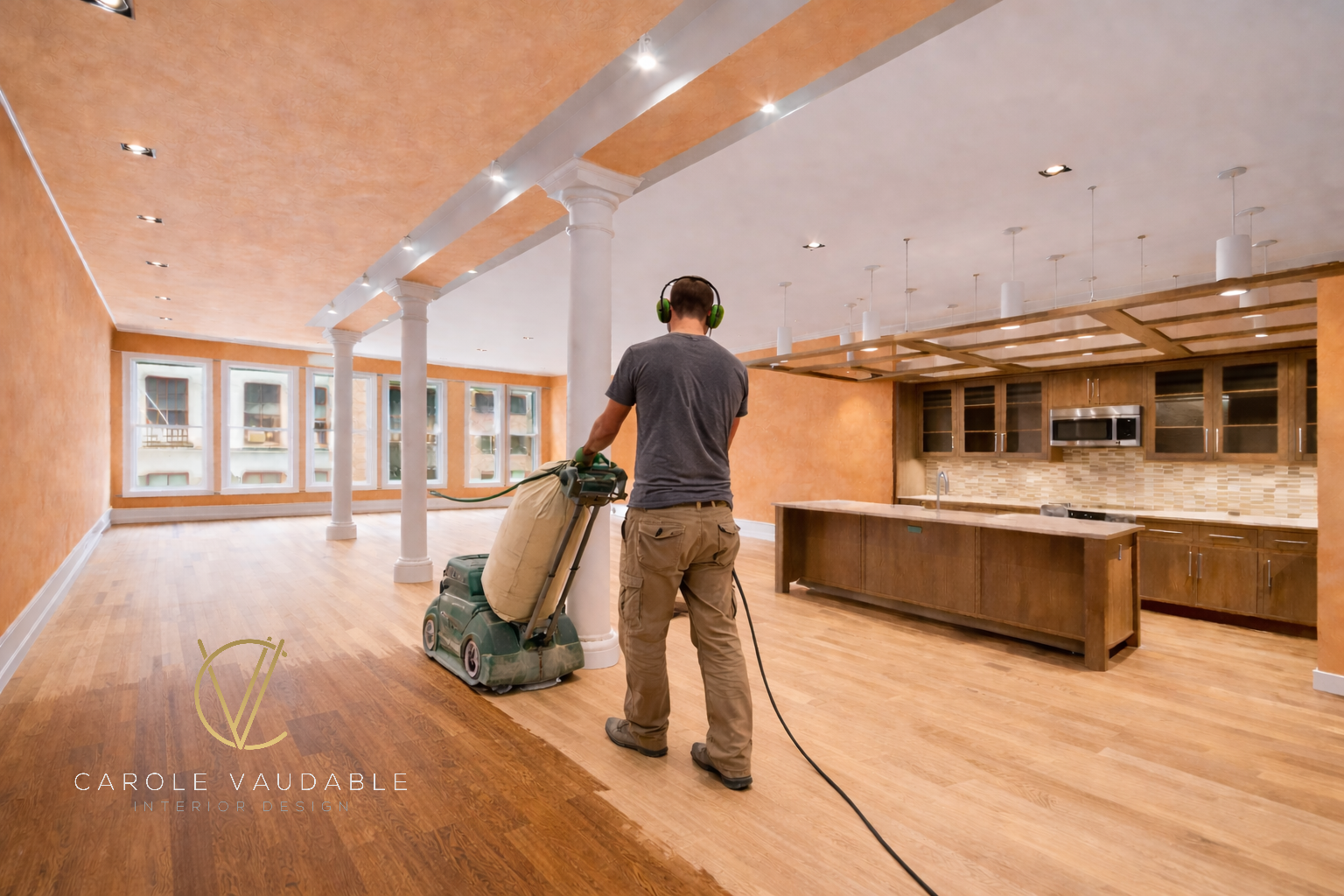
Read MoreWhite walls reflect light, which can make a room feel flat and cold, whereas wood absorbs light, which makes the room feel warmer and softer.
This means you don’t need to add more to make the room feel good. In fact, you often need less.
When the structure is right, you don’t need to overdecorate, you don’t need to fill the walls or add unnecessary pieces. The room already has presence.
Read MoreOne of my homes was a place that had once been full of life: people were there, things were happening, there was movement, noise, daily life. Then time passed, people left and the home stayed behind.
When I saw it in my dream, everything was still there: the furniture, the objects, the rooms, the structure. Nothing had been removed but the feeling had completely changed.
The home felt deserted and more than that, I felt the emotion of the home like it was a person who had emotions. She felt sad and abandoned.
Read MoreIn many homes, there is too much friction: things are stored in the wrong places, movements are not intuitive and small decisions accumulate from the moment you wake up.
Think about Steve Jobs. He wore the same black turtleneck every day, not because he lacked options but because he removed one decision from his day. Less thinking, more clarity.
Now imagine how many micro decisions you’ve already made before your day even starts if you have to look for your clothes, open multiple cabinets, where things are and stub your toe on poorly placed furniture.
Read MoreAre you rugged and extroverted?
Are you introspective and weird?
Are you international, curious, a little commitment-phobe?
These things should exist in your space, they can translate through design.
Read MoreI see this pattern constantly in the homes I work in. And the interesting thing is that when the dining room is designed differently, behavior changes immediately. People linger and conversations get longer. Dinner naturally turns into two hours instead of forty minutes.
Read MoreEvery winter, the same thing happens. The forecast announces a snowstorm, the city panics, grocery stores empty out and then suddenly silence. No traffic, no sirens, no distractions. Just you and your space. And that’s when the truth comes out.
Read MoreNothing was placed for visual effect, everything was placed for function. Over decades, she had just removed what didn’t serve her. What remained was what actually worked. That day I realized something that now guides my work: time is the most precise interior designer there is.
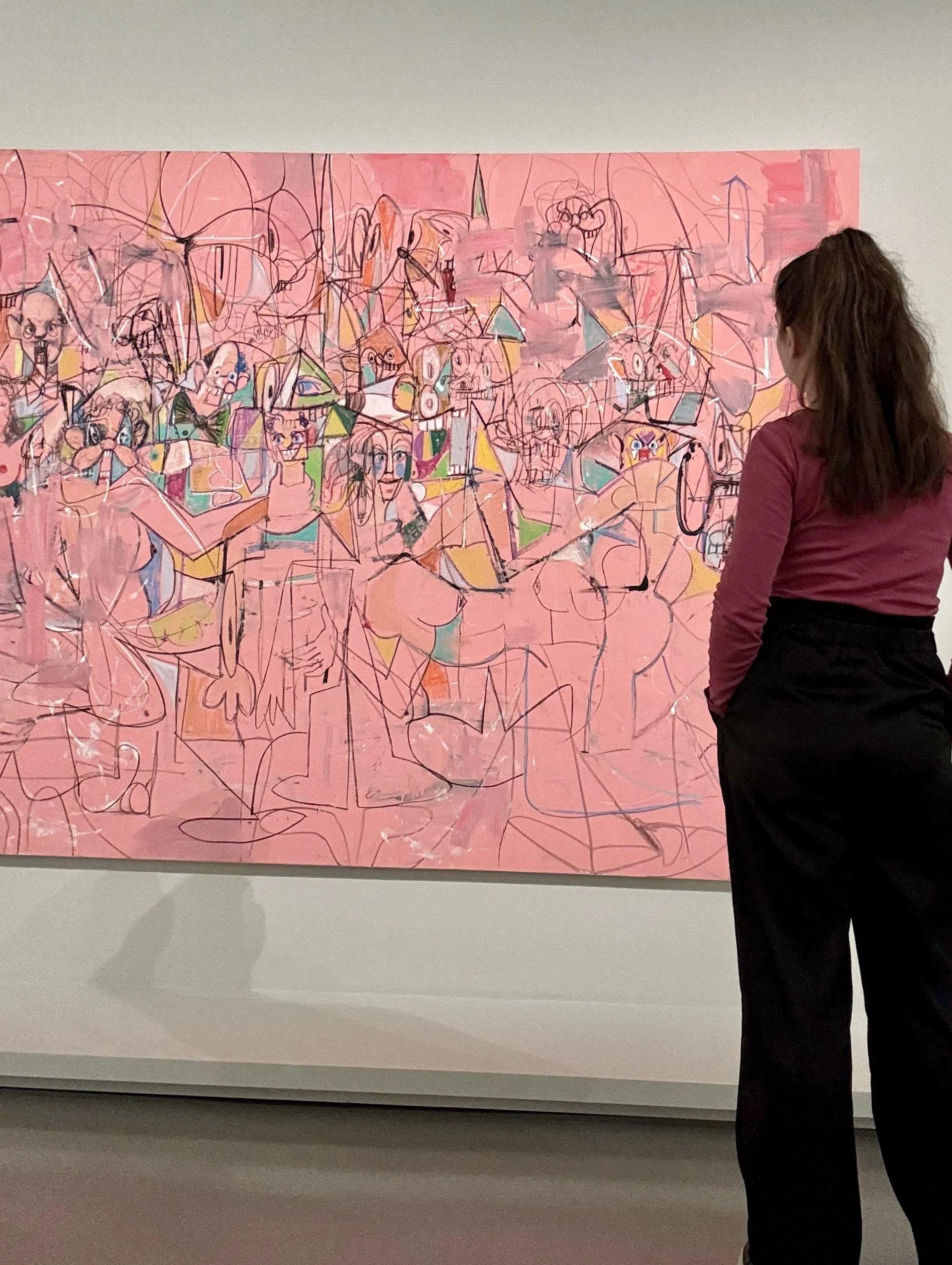
Read MoreIn my work as an interior designer and art advisor, art comes early. Sometimes before the furniture. Sometimes before the layout is even fixed.
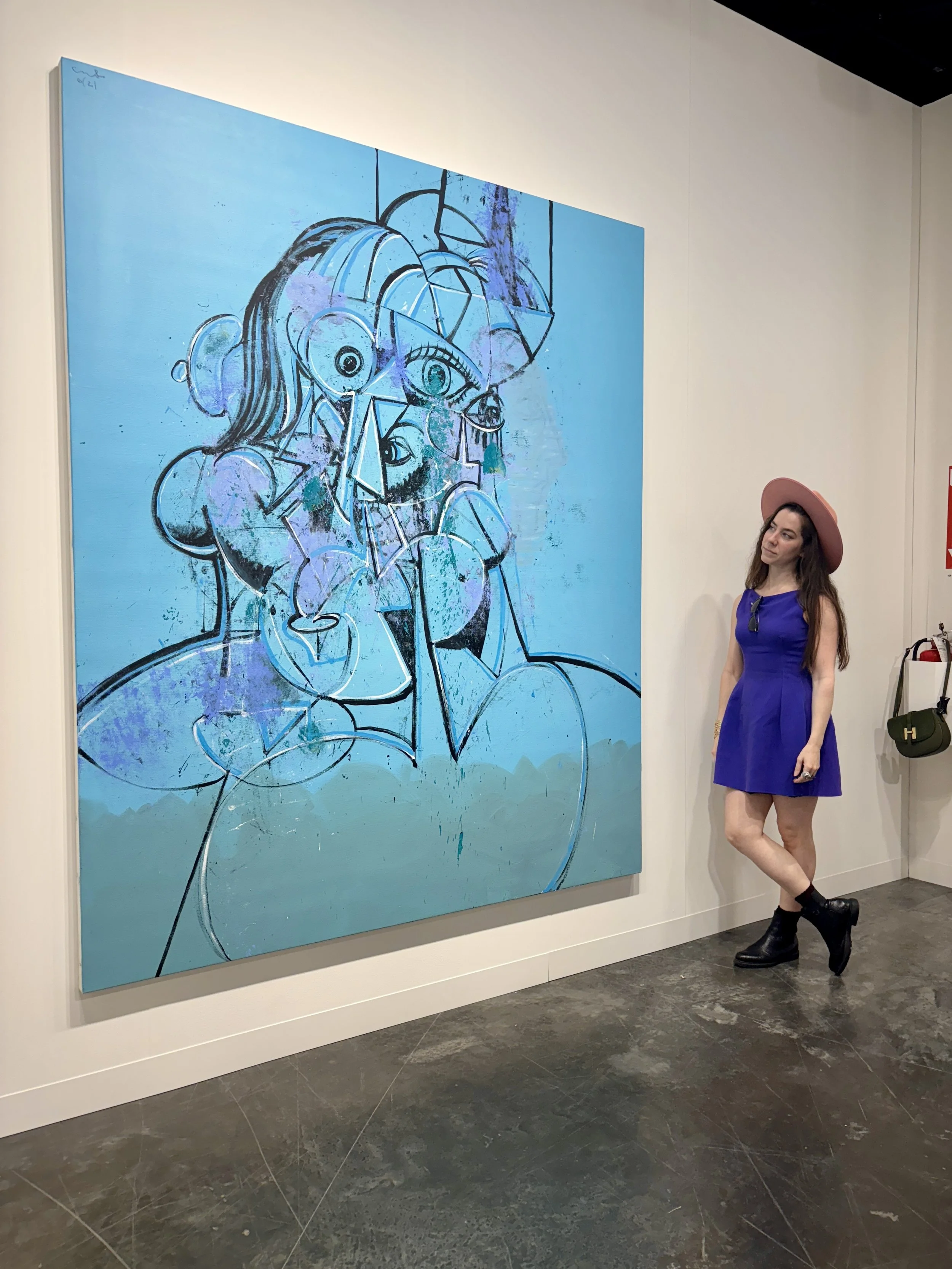
When I choose a painting, I am deciding how the room will behave. How long you stay. How alert you feel. How the space holds you. George Condo’s work does that immediately.
Read MoreThe first thing I do in any project is add drapes to every window. This is non-negotiable in my work.
Drapes soften a room, control natural light and instantly make a space feel finished. They create visual continuity and bring warmth, even in modern interiors. Without them, a room often feels incomplete, no matter how beautiful the furniture is.
Read MoreWorking where you sleep, eating where you answer emails or trying to relax in a space filled with reminders of productivity keeps your body in an underlying state of stress. The problem isn’t your discipline. It’s that your home never lets your nervous system switch off.
Read MoreThe room was organized for entertainment and confrontation, so I reorganized it for softness and connection.
Drapes for acoustics, warm lighting instead of police interrogation lighting, seating that faced each other instead of a screen and art that rewarded looking instead of scrolling.
AI can generate decent moodboards and match colors. It can make a room look finished on a screen.
What it can’t do is understand why someone hesitates over a chair or why a bedroom needs to shrink or expand someone’s ego, or why the kitchen becomes the place where they decompress or argue. Homes are emotional systems. You don’t prompt emotional intelligence, you observe it.
Read MoreI believe your home shows exactly what you are willing to live with.
If a space feels rushed or disconnected, it often reflects how much stress you are allowing into your daily life. If a home feels empty or impersonal, it may reflect how disconnected someone feels from themselves. This is not about judgment. It is about awareness.
Read MoreWithout a clear point of focus, attention keeps scanning. This continuous scanning prevents the nervous system from fully settling.
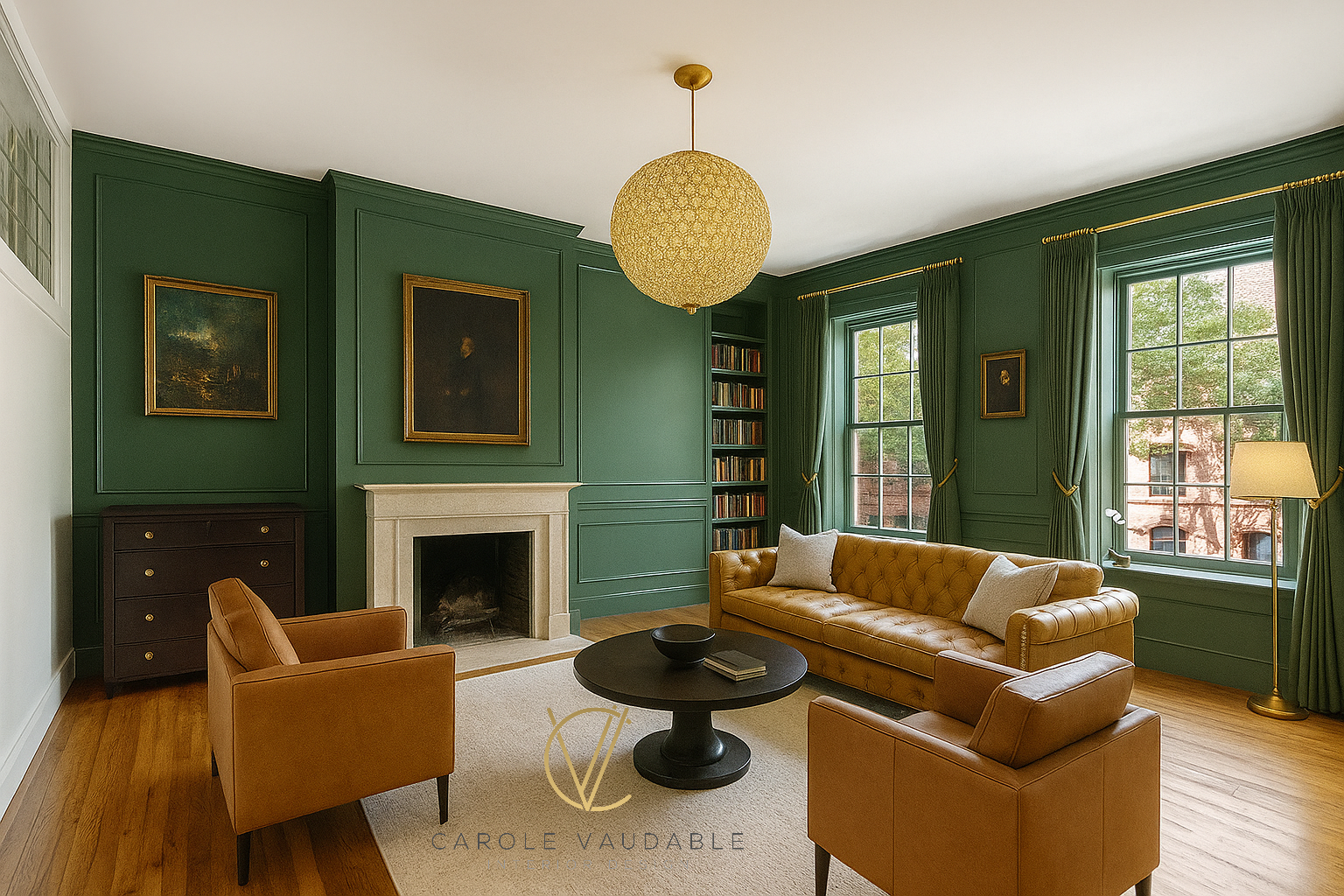
Each room benefits from one anchoring element: a view, a piece of art, a fireplace or a tactile surface that gives attention a place to land. When attention can settle, calm becomes sustainable.
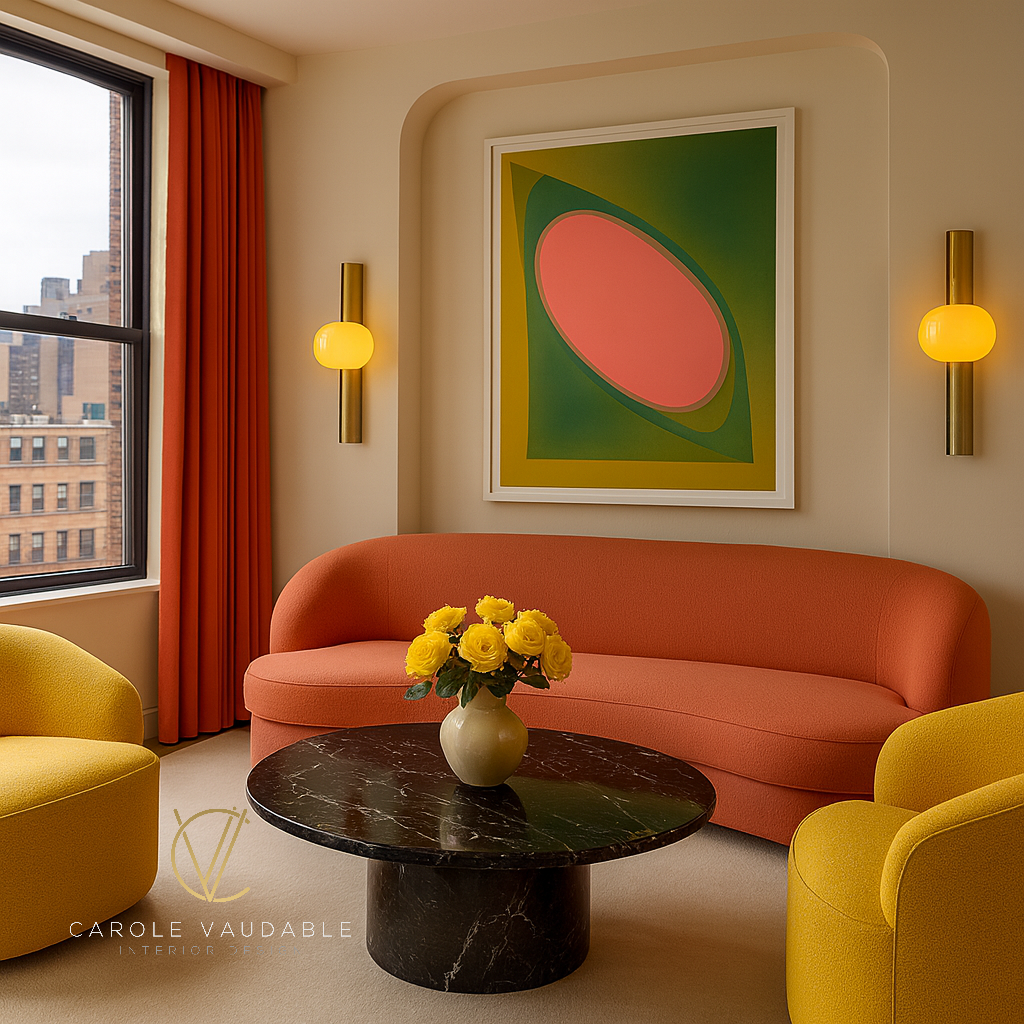
Read MoreColor is coming back: not loud but intentional. This isn’t rebellion for the sake of it. It’s honesty. Homes are becoming places of truth again. And truth is never beige.
Read MoreMRI scans reveal that artworks with depth, contrast and movement ignite the brain’s reward system, releasing dopamine.
environments enriched with art improve problem solving, reduce stress and increase productivity by up to 15%, according to research from the University of Exeter.
Design increases value because it manipulates subconscious cues:
EMOTIONAL VALUE
People buy how a space makes them feel: calm, efficient, aspirational.
FUNCTIONAL FLOW
A layout that eliminates friction is priceless. It feels bigger without being bigger.
SYMBOLIC CUES OF LUXURY
Materials, proportions, lighting, spatial logic: they communicate value immediately.
Read MoreI see it constantly in New York: the minimalist white box that photographs beautifully but feels like a waiting room. Or the opposite: the maximalist apartment overflowing with personality but impossible to breathe in.
Read MoreWhen was the last time you entered a room and felt your shoulders drop before you even realized why?
That’s what true luxury feels like.
Not the sparkle, not the marble, not even the scent, but the way your body exhales before your mind catches up.
I design for that moment.